
How 3D visualization helps pergola, fence and home-improvement companies close more sales
· 5 min read
Pergolas, fences, awnings and carports are large purchases, and every property is different. Yet most customers still decide from catalogue pictures and a salesperson’s description. This article looks at why that slows sales down, what the traditional process costs a company, and how a 3D scene of the customer’s own yard changes it.
Customers struggle to picture the result
Every house and garden is different. A catalogue picture shows a pergola on someone else’s terrace, in someone else’s light, and a reference photo shows someone else’s fence. Neither answers the questions the customer actually has: will it look too big against our wall, which colour goes with our windows, where will the shade be in the afternoon?
So the salesperson describes the product instead of showing it, and the customer tries to imagine the size, the colour and the design. For a purchase this large, that uncertainty is often why the decision waits.
The company pays for it too
The traditional way of selling also costs the company time and money. Measuring with a tape and a few phone photos does not always capture enough detail, and a wrong measurement leads to a mistake in the order or another drive to the customer.
In many companies, one sale involves three people: a salesperson who visits the customer, a measurer who takes the sizes and a designer who prepares the drawing. Each handover adds a delay.
Why the traditional sales process is becoming a disadvantage
Customer expectations are changing. People configure cars online, place furniture in their living room with a phone and compare products side by side before they buy. Many home-improvement companies still sell the way they always have:
- The customer contacts the company.
- A salesperson visits the property.
- The customer looks at catalogue pictures and product examples.
- Measurements are taken.
- A designer prepares a drawing or proposal.
- The customer tries to imagine the final result.
- The salesperson prepares and sends a quote.
- The customer takes time to think and decide.
Where the time goes
Each step makes sense on its own. Together they add up:
- Many manual steps between the first call and the offer.
- Time spent explaining and preparing instead of selling.
- Visits and coordination for customers who are still comparing offers.
- Options the customer cannot compare side by side.
- A long road from the first enquiry to a decision.
Let customers see the result before they buy
Companies that make buying faster, simpler and more visual have the advantage. Instead of showing catalogue pictures, the salesperson shows the product on the customer’s own property. With Situvista, the process looks like this:
- The customer contacts the company.
- The salesperson visits and scans the yard with an iPhone or iPad in a couple of minutes. The customer can also scan it from a link, without a visit.
- Situvista builds a 3D scene of the yard. The lengths that matter are measured on it, each with its estimated uncertainty.
- The salesperson designs the product in the scene from the company’s own catalogue and prepares a few options to choose from.
- The quote goes out as one link: the customer’s yard in 3D, with the options and their prices.
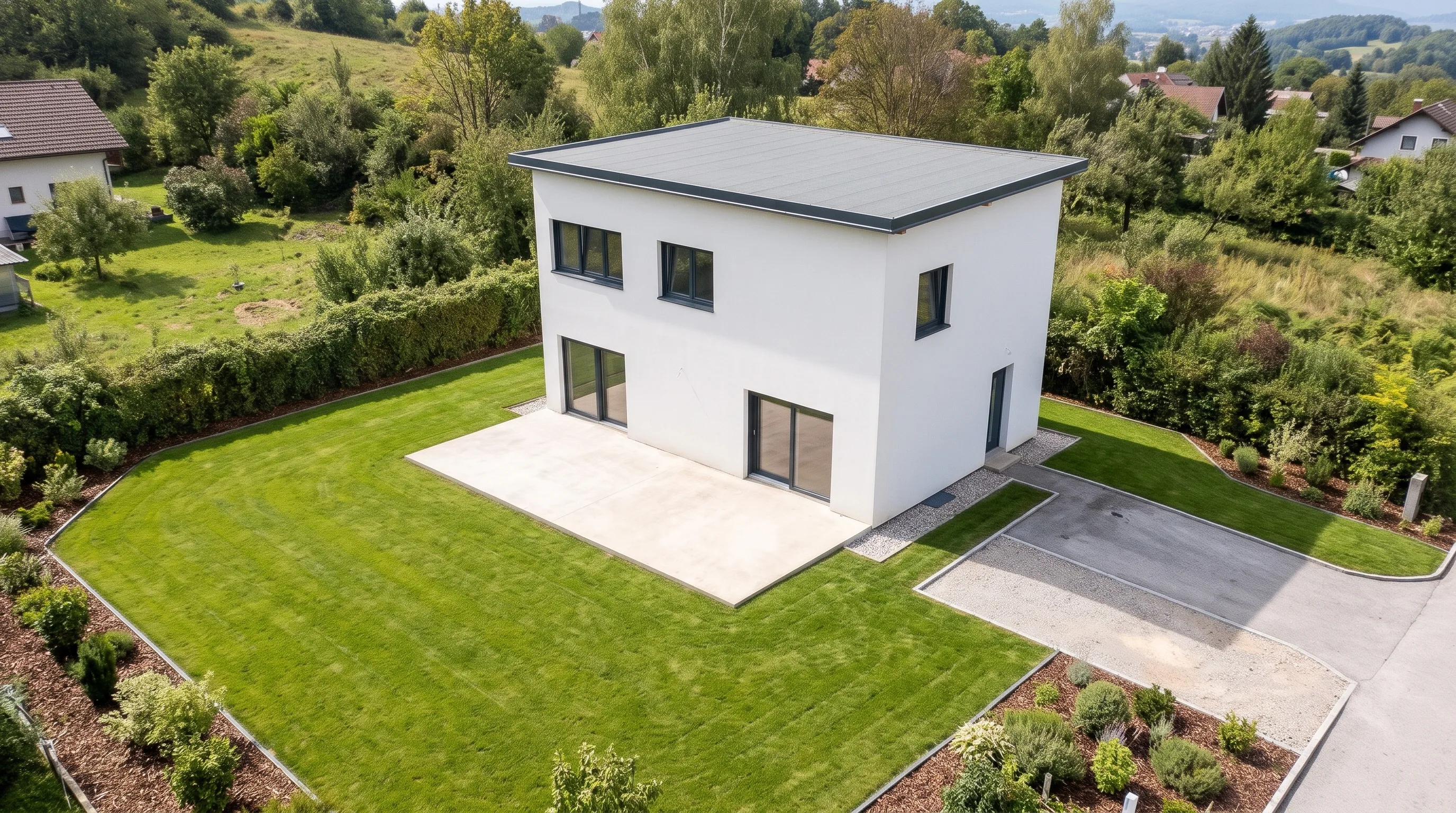
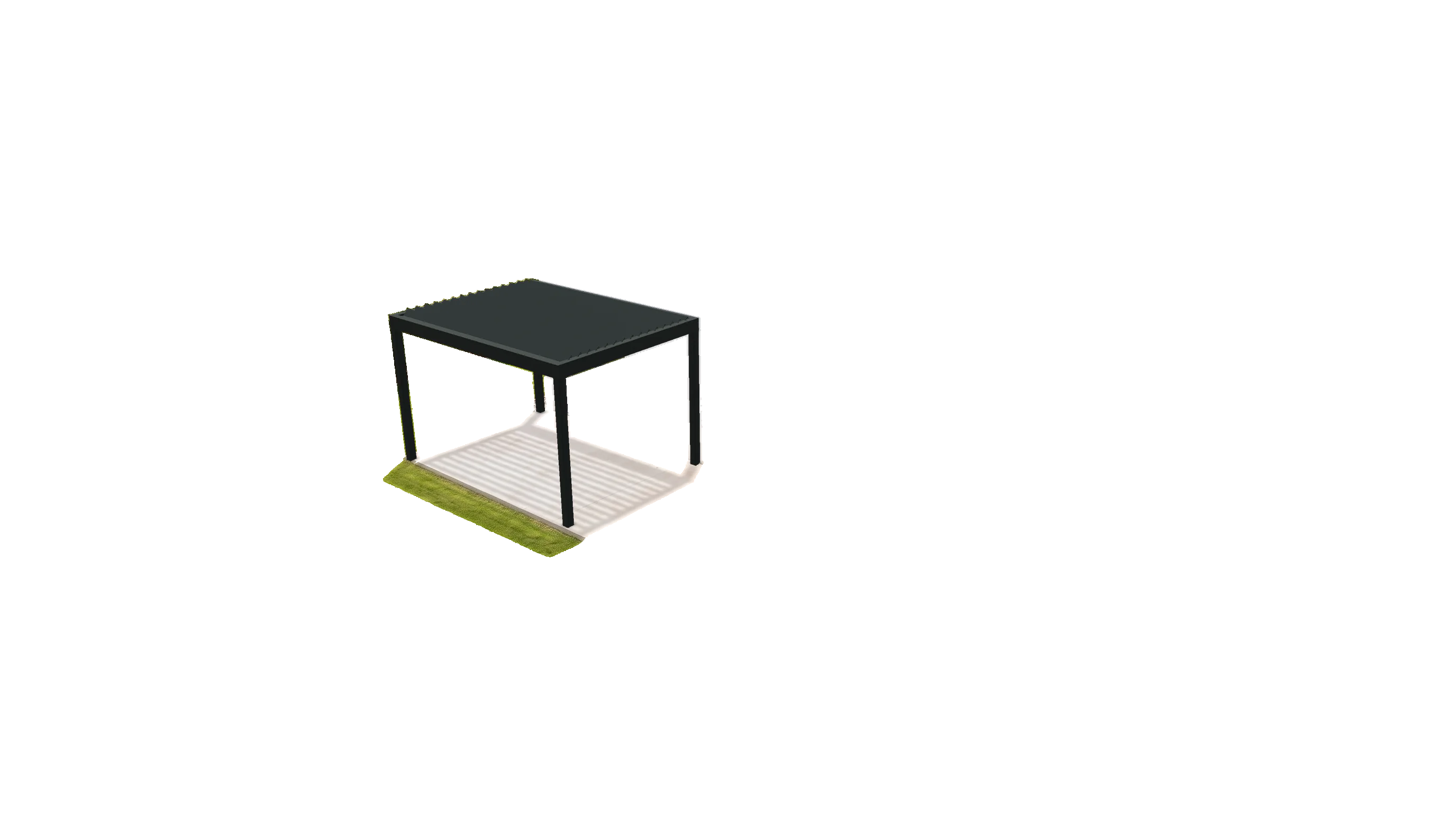
What the salesperson can do in the scene
The design is made in the 3D scene of the customer’s yard. In it, the salesperson can:
- Place products from the company’s own catalogue directly on the customer’s property.
- Adjust dimensions such as width, depth and height.
- Change colours and configurations.
- Switch between models, for example a louvred roof and a fixed one.
- Prepare several options and compare them on the same yard.
- Show where the sun and shade fall through the day.
- Turn the design into a bill of materials: a PDF for the customer, Excel and CSV for ordering or an import into the company’s ERP, and DXF for CAD.
A presentation link like the one a customer gets: a yard in 3D with the design in it. Turn the view, switch between the options, compare it with the photo and move the sun.
More offers turn into orders
When customers understand what they are buying, they decide with more confidence. They compare products and configurations on their own property rather than in their imagination, and the salesperson answers questions by showing rather than explaining.
One dealer that sells with Situvista saw its closing rate rise by 20% compared with its previous way of selling.
Fewer people and fewer visits
Traditionally, a sale can involve three people: a salesperson, a measurer and a designer. With Situvista, one person can take the project from the first visit to the quote: the scan, the design and the offer. Until the customer says yes, that is up to 67% fewer people.
Agreeing on the design early also means fewer misunderstandings, less back-and-forth and fewer extra visits. The measuring visit still happens before anything is ordered, but only for confirmed projects, and it starts from the design the customer accepted.
A better experience for the customer
The customer sees the product on their own property, compares the options and decides with more confidence. Buying becomes simpler and more interactive, and the company stands out with a clear, visual way of buying that builds the customer’s trust.
What it does not replace
A 3D scene makes the design and the offer clearer, but some things are still checked on site before anything is ordered:
- The final measurement. Sizes from a scan are good for the design and the offer, not for cutting profiles.
- Ground and fixing conditions, and anything the scan did not capture.
- Access for delivery and installation.
Ready to change the way you sell?
See how Situvista helps your sales team show, configure and quote your products on the customer’s own property. Book a demo below: we prepare it with one of your products.
